
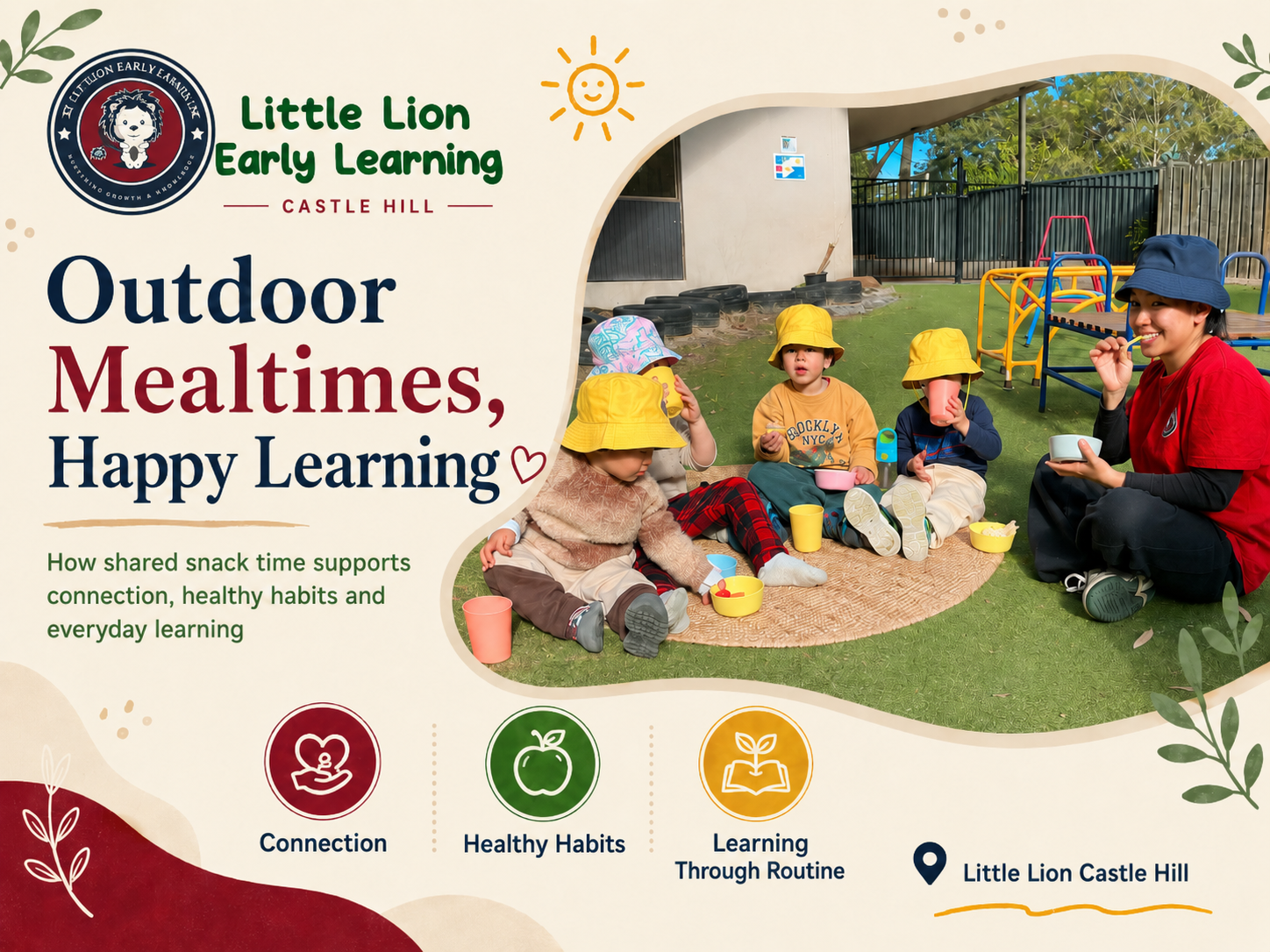
In early childhood, learning happens in many different ways. It is not limited to structured activities, planned group time or creative play. Some of the most meaningful learning can happen during simple everyday routines. One example is mealtime.
Shared mealtimes give children a chance to slow down, connect with others and build important life skills. In a nurturing early learning environment, even a quiet moment sitting together outdoors can support children’s social development, confidence and sense of belonging.
At Little Lion Castle Hill, moments like these reflect how everyday routines can become meaningful parts of the learning journey. For families searching for childcare in Castle Hill, it is often these simple experiences that help show how a centre supports children throughout the day.
Why Mealtimes Matter in Early Childhood
Mealtimes are about much more than food. They are part of the daily rhythm of early childhood and can help children feel secure, settled and connected. Regular routines give children a sense of predictability, which is especially important in a childcare setting.
When children sit together for a meal or snack, they have the opportunity to pause, observe others and take part in a shared experience. These small moments can help support emotional wellbeing while also encouraging communication and independence.
In a quality preschool in Castle Hill, mealtimes should feel calm, respectful and supportive. Children benefit when educators create an environment where they can participate comfortably and at their own pace.
What Children Learn During Shared Mealtimes
Social connection and communication
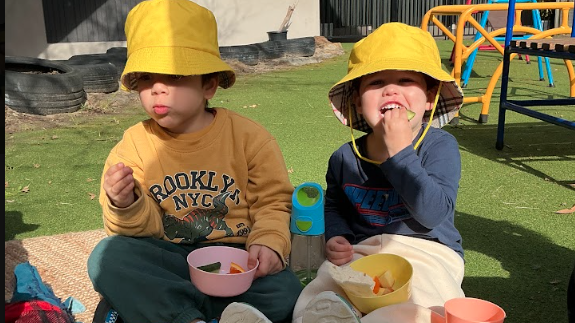
Shared mealtimes naturally encourage conversation and connection. Children learn how to sit together, notice others, take turns and join in group routines. Even when language is still developing, children are learning from what they hear, see and experience around them.
These moments can help children build confidence in social settings. They begin to understand that mealtimes are not only about eating, but also about being part of a group.
Independence and routines
Mealtimes can also support growing independence. Children start learning everyday routines such as sitting in a shared space, holding their cup or bowl, waiting for others and taking part in transitions.
These simple habits matter. Over time, routines like these can help children build self-help skills and confidence in managing small tasks on their own.
Healthy habits and food confidence
Early childhood is an important time for building positive attitudes around food. Calm mealtime experiences can help children become more familiar with different foods, textures and routines.
Not every child responds to food in the same way, and that is completely normal. A supportive environment allows children to explore at their own pace while feeling comfortable and included.
For parents looking for an early learning centre in Castle Hill, this is one of the everyday signs of thoughtful care. Healthy habits are often built gradually through routine, encouragement and consistency.
Why Outdoor Mealtimes Can Be So Valuable
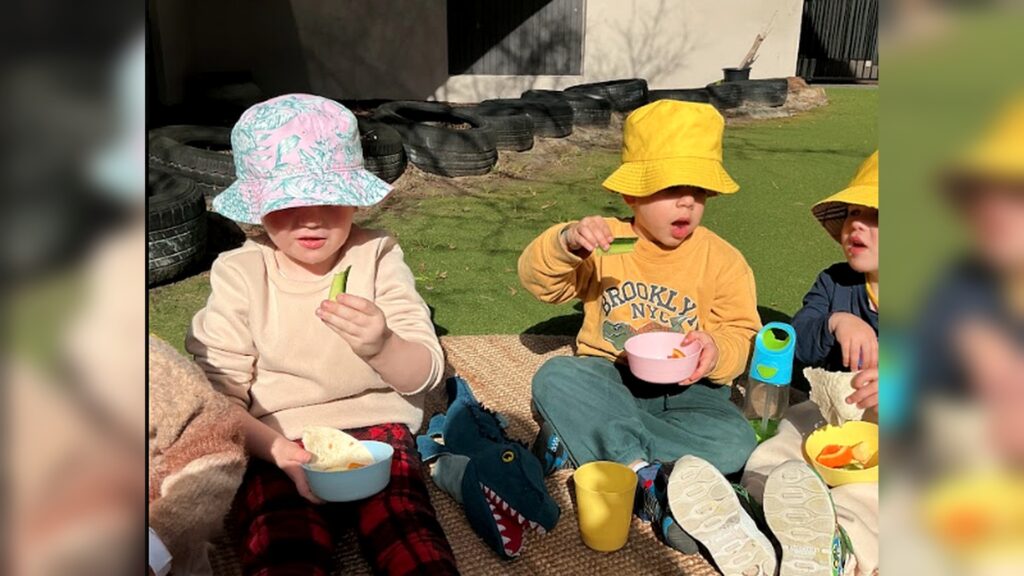
Outdoor mealtimes can add another layer to the experience. Fresh air, natural light and open space can help create a relaxed and positive atmosphere. For many children, the outdoor environment feels calm and inviting.
Eating outdoors can also support a sense of enjoyment and community. Children may feel more settled when they are in a familiar outdoor play space, and it can make the routine feel more natural and enjoyable.
Outdoor routines also connect well with broader early learning values. They show children that learning and care can happen in many settings, not just indoors. This supports a more flexible, child-focused approach to the day.
A Calm and Connected Start to Learning
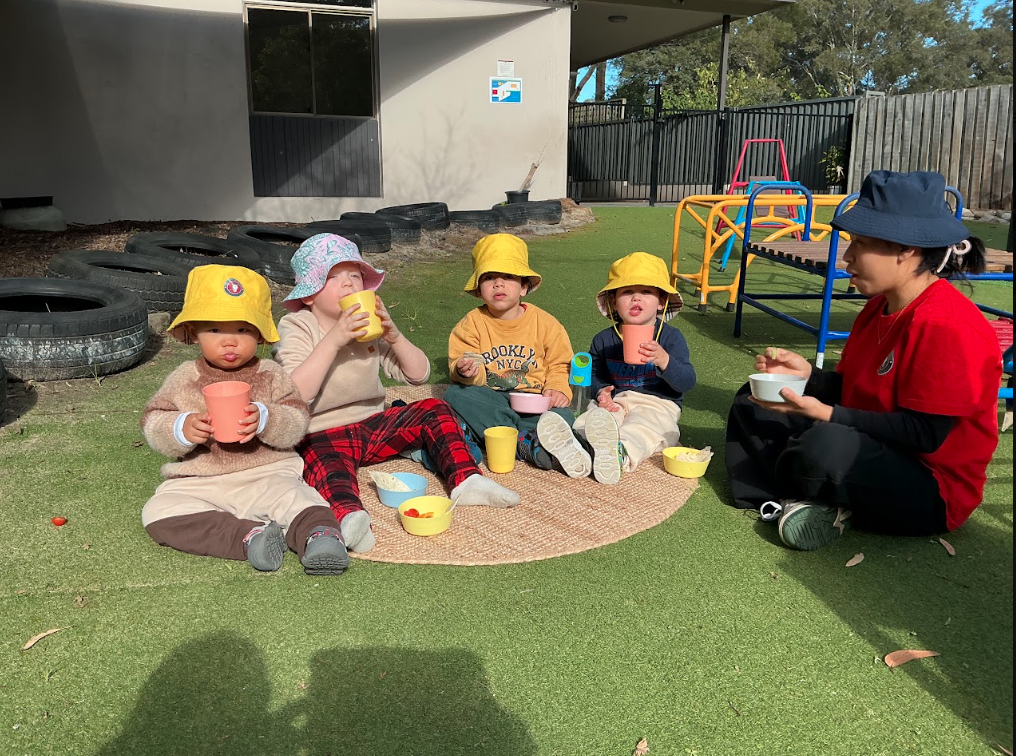
The image shared here highlights a quiet outdoor mealtime moment with children and an educator sitting together. It reflects something important about early learning: children thrive when everyday experiences are approached with warmth, patience and care.
Moments like these support more than one area of development at once. Children are not only having a snack. They are also learning how to be part of a group, how to follow a routine and how to feel comfortable in a shared environment.
For many families, these are the moments that matter most. They show what a centre values in practice.
Final Thoughts
In early childhood, the simplest moments often carry the most value. Shared mealtimes can support communication, independence, routine and wellbeing in a natural way. When these experiences happen in a calm and supportive environment, they become part of meaningful early learning.
For families exploring childcare Castle Hill everyday routines like mealtimes can offer real insight into how a centre supports children throughout the day.
At Little Lion Castle Hill, learning is woven through everyday experiences, including the quiet moments that help children feel safe, connected and ready to grow.
FAQs
1. Why are mealtimes important in early childhood education?
Mealtimes help children build routines, social skills, independence and positive habits in a calm and shared setting.
2. What can children learn during shared mealtimes?
Children can learn communication, turn-taking, independence, group participation and familiarity with healthy routines.
3. Are outdoor mealtimes beneficial for children?
Outdoor mealtimes can create a relaxed atmosphere and support connection, comfort and enjoyment in a natural setting.
4. What should parents look for during mealtime routines in childcare?
Parents can look for calm organisation, warm educator interaction, respectful routines and a child-focused environment.
5. How do everyday routines support learning in childcare?
Everyday routines help children feel secure and give them regular opportunities to practise social, emotional and practical skills.